

Introducing a transformative, drug free treatment option for urge urinary incontinence. With 95% patient satisfaction, Revi is a long-term solution designed to help calm and control your bladder symptoms.1


Meet Revi
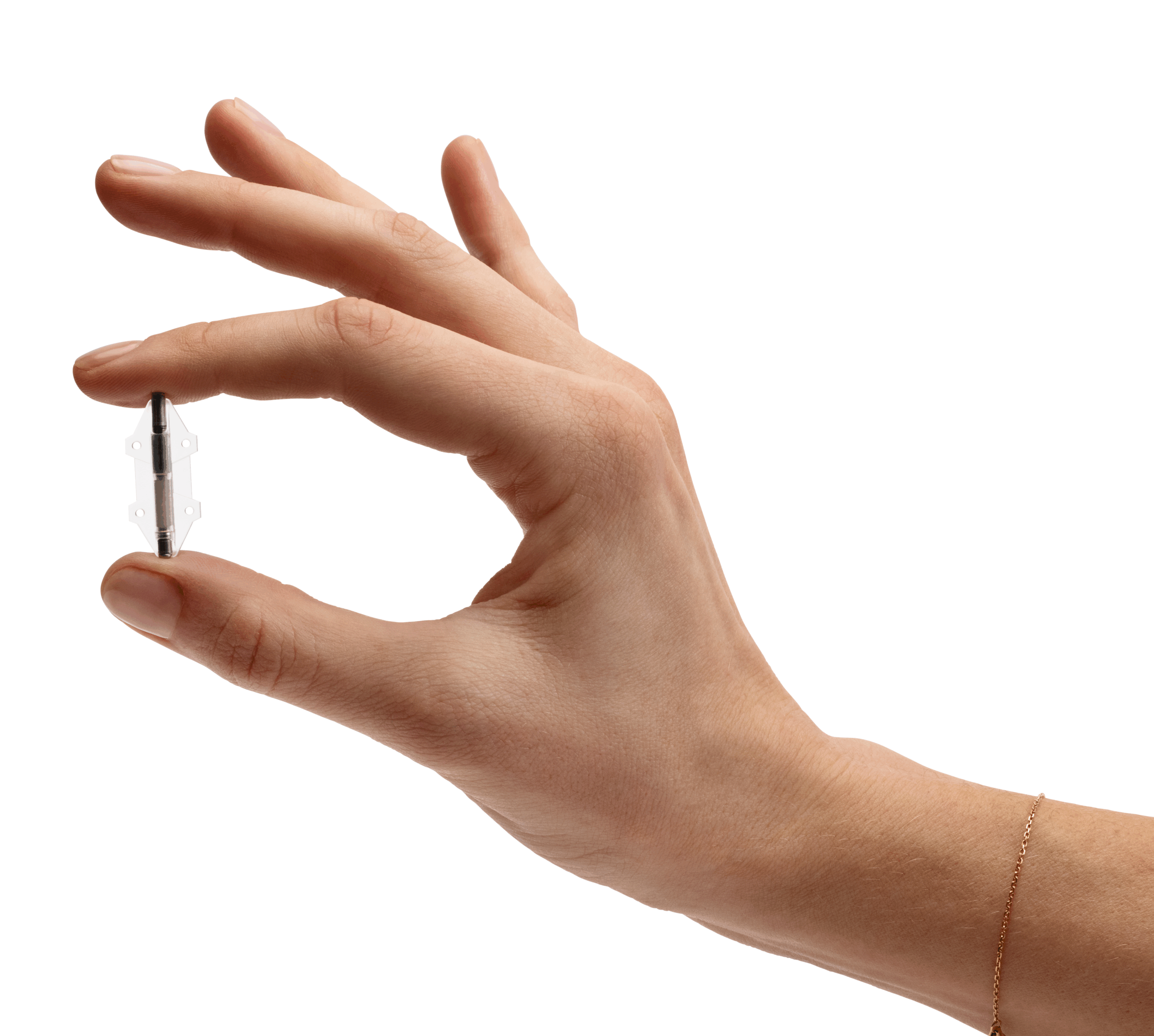
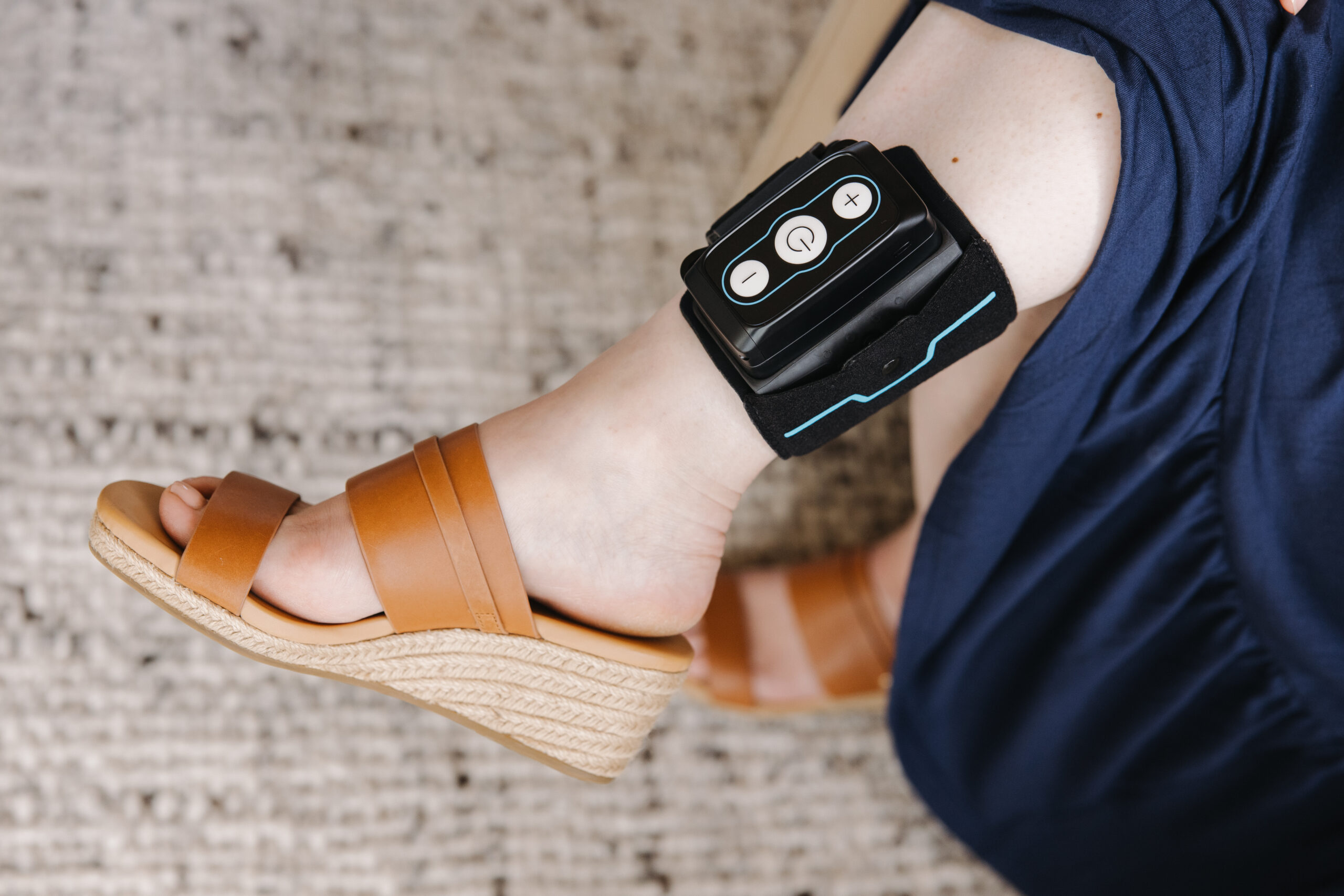
Revi is a drug free alternative for that “gotta go” feeling, also known as Urge Urinary Incontinence (UUI). This miniature device is implanted near the ankle to send signals up the leg and to the brain to help manage symptoms.2
Proven to reduce leaks
In a study, nearly 8 out of 10 participants experienced substantial reduction in leaks with Revi after 3 years.1
Personalized therapy
Your treatment is customized based on what works best for you. You choose when and where you want to receive therapy, at a time that is convenient for you, as little as 30 minutes a day.
Single procedure
No need to go back to your doctor for repeat treatments or multiple procedures under anesthesia. Revi is placed in the ankle region during a single, outpatient procedure, under local anesthesia.
Awarded Best New Technology Solution – Therapeutics at the 2025 MedTech Breakthrough Awards.
Proven Treatment, Proven Results
Revi demonstrated high patient satisfaction and a significant decrease in the number of leaks in those who completed 3 years of the study.1
Study participants who were satisfied with Revi therapy*
Study participants with more than a 50% reduction in leaks*
What could Revi mean for you?
Independence
Spend time outdoors, go out with friends, enjoy your partner, and get back to the activities you enjoy most without being tied to a bathroom.
Ease of use
With a single procedure and treatments on your schedule, Revi could become a convenient part of your routine without interrupting your normal activities.
Peace of mind
Worry less about your next bathroom break and how your symptoms get in the way of the life you want to lead.

Is right for you?
*Completers analysis represents the 90 patients with available data at 36 months. Satisfaction results from the 87 that completed the survey.
For further information on the OASIS study and other on-going clinical studies, please visit clinicaltrials.gov (OASIS NCT03596671)
References
1. Amundsen C. et al. Three-year efficacy and safety of Revi Implantable Tibial Neuromodulation from the pivotal OASIS Study. April 2026 JUro https://doi.org/10.1097/JU.0000000000005062
2. Al-Danakh A, et.al. Posterior Tibial Nerve Stimulation for Overactive Bladder: Mechanism, Classification, and Management Outlines. Parkinson’s Disease. March 2022; 2700227: https://doi.org/10.1155/2022/2700227